• Read the Report
  • Contact Us
Global Commission on HIV and the LawGlobal Commission on HIV and the LawGlobal Commission on HIV and the Law
Menu
  • Background
    • HIV and the Law
    • Commission Overview
    • Commissioners
    • Technical Advisory Group
  • Report
    • 2012 Report
    • 2018 Supplement
  • Dialogues
    • Global Dialogue 2018
      • 2018 Supplement
      • Global Dialogue 2018 Videos
    • Global Dialogue 2012
      • Video
      • Photo Gallery
      • Speeches
    • Regional Dialogues
      • Asia-Pacific Regional Dialogue
      • Caribbean
      • Eastern Europe and Central Asia
      • Latin America
      • Africa
      • Middle East and North Africa
      • High Income Countries
      • Civil Society Participation
      • Submissions to the Regional Dialogues
  • Implementation
    • Access to Health Technologies
      • Competition Law Guidance
      • Competition Law Webinar
      • 2022 Supplement
    • Civic Space
    • Digital
      • Guidance on the rights-based and ethical use of digital technologies
    • Programmes
      • Being LGBTI in Asia
      • Challenging stigma and discrimination in the Caribbean
      • Guidance for Prosecutors on HIV-related Criminal Cases
      • Improving SRHR for young key populations in Southern Africa
      • International Guidelines on Human Rights & Drug Policy
      • Multi-Country Western Pacific Integrated HIV/TB Project
      • Promoting a rights-based response to HIV in Africa
      • Removing legal barriers in Africa
      • South Asia Global Fund HIV Programme
      • UHC Legal Solutions Network
    • Follow Up
      • Follow Up Stories
      • Legal Environment Assessments
      • Leave No One Behind: Lessons from the Global Commission on HIV and the Law for Agenda 2030
  • Resources
    • eLibrary
      • Capacity Development Toolkits
      • Fact Sheets
      • Legal Environment Assessments, Reviews and Audits
      • National Dialogue Reports
      • Policy and Issue Briefs
      • Research, Discussion Papers and Reports
    • Evaluation of the Global Commission on HIV & the Law
    • Report & Working Papers
      • Read the Report
      • 2018 Supplement
      • Working Papers
      • Submissions
      • Presentations
      • Articles and Speeches from Commissioners
      • Selected Bibliographies
    • Regional Dialogue Resources
      • Asia-Pacific
      • Caribbean
      • Latin America
      • Eastern Europe and Central Asia
      • Africa
      • High Income Countries
    • HIV and the Law Animated Video
  • News
    • News Articles
    • Press Releases
    • Newsletter Archives
  • #Triple10Targets Campaign
    • Campaign Home
    • Become a Champion
    • Campaign Updates

Stories

Global Stories

undp_kazakhstan

Achieving the 10-10-10 HIV targets by 2025

cover-1721328996

No time to lose

cover-1701366240

Let communities lead

Regional Stories

UNDP’s HIV and Health Group (HHG) includes pillars emphasizing the reduction of inequalities and social 

exclusion that drive HIV and poor health as well as the promotion of effective and inclusive governance for 

health. Globally and within Africa, this work includes an emphasis on populations that are marginalized 

and excluded because of their sexual orientation, gender identity or expression, or sex characteristics. 

In 2020, UNDP HHG established the #WeBelongAfrica Programme (WBA) which integrates two projects, 

namely the “Inclusive Governance Initiative” (IGI) and the “Southern Africa Young Key Population 

Initiative” (SAYKPI). The programme is designed to support state entities in sub-Saharan Africa to become 

increasingly accountable and responsive to, and inclusive of, LGBTI people and young key populations, 

which in turn will contribute to better laws, more responsive public sector services and social norms that 

affirm these populations’ perspectives, needs and rights. 

Discriminatory and punitive laws and practices across Africa limit the rights of marginalized populations, 

including LGBTI and HIV key populations, to equality, inclusion, health and development. Progressive 

jurisprudence by sensitized judges can help create frameworks that protect rights and promote inclusion.

The Africa Regional Judges’ Forum (ARJF) was first convened 10 years ago, as a follow up to the 

recommendations of the 2012 report of the Global Commission on HIV and the Law, Risks, Rights & Health. 

which emphasised the protective role of law in promoting the rights of marginalized populations and 

reducing the number of new HIV infections. 

With ongoing support from UNDP, the ARJF has held regular, annual in-person forums since that time. The 

Forum has been led by a leadership group of well-respected African judges and has grown in strength from 

11 judges in its first year, to meetings of over 120 participants from late 2022 to 2023, includ

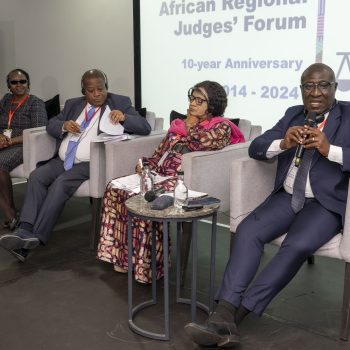
10 years of progress: Advancing rights, inclusion and health through the African Regional Judges Forum

Screen Shot 2024-09-16 at 8.12.53 PM

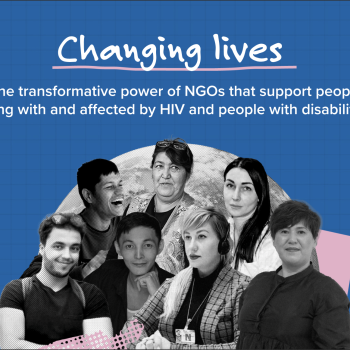
Changing lives: the transformative power of NGOs that support people living with and affected by HIV and people with disabilities

UNDP’s HIV and Health Group (HHG) includes pillars emphasizing the reduction of inequalities and social 

exclusion that drive HIV and poor health as well as the promotion of effective and inclusive governance for 

health. Globally and within Africa, this work includes an emphasis on populations that are marginalized 

and excluded because of their sexual orientation, gender identity or expression, or sex characteristics. 

In 2020, UNDP HHG established the #WeBelongAfrica Programme (WBA) which integrates two projects, 

namely the “Inclusive Governance Initiative” (IGI) and the “Southern Africa Young Key Population 

Initiative” (SAYKPI). The programme is designed to support state entities in sub-Saharan Africa to become 

increasingly accountable and responsive to, and inclusive of, LGBTI people and young key populations, 

which in turn will contribute to better laws, more responsive public sector services and social norms that 

affirm these populations’ perspectives, needs and rights. 

Discriminatory and punitive laws and practices across Africa limit the rights of marginalized populations, 

including LGBTI and HIV key populations, to equality, inclusion, health and development. Progressive 

jurisprudence by sensitized judges can help create frameworks that protect rights and promote inclusion.

The Africa Regional Judges’ Forum (ARJF) was first convened 10 years ago, as a follow up to the 

recommendations of the 2012 report of the Global Commission on HIV and the Law, Risks, Rights & Health. 

which emphasised the protective role of law in promoting the rights of marginalized populations and 

reducing the number of new HIV infections. 

With ongoing support from UNDP, the ARJF has held regular, annual in-person forums since that time. The 

Forum has been led by a leadership group of well-respected African judges and has grown in strength from 

11 judges in its first year, to meetings of over 120 participants from late 2022 to 2023, includ

Judges from Eastern Europe and Central Asia gather in Moldova to discuss the region’s pressing issues around health, HIV, human rights and the law

Country Stories

dsc_0036_1

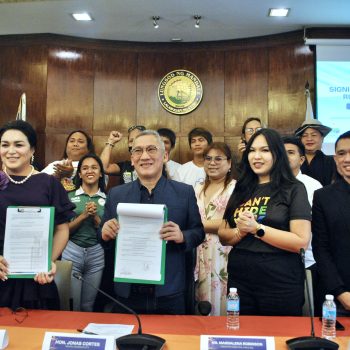
Mandaue City strengthens protection against LGBTQ+ discrimination

_dsc4938

HIV status: challenges that women face

dsc00431

Stories of Compassion and Resilience: Gulnara Abdrasheva’s Journey in Healthcare

dsc00640

The Price of Freedom: Tatyana Medenko’s Story

dsc01046

“My Home” for those in need

whatsapp_image_2024-04-23_at_13.42.53_6

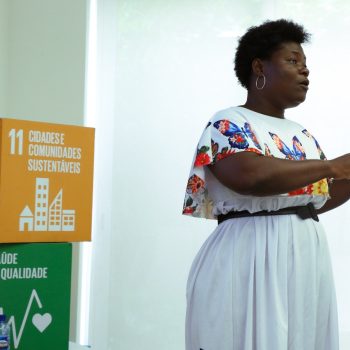
Supporting key population-led organizations in Angola to remove barriers to HIV services

cover-1719472332

Pride and progress

whatsapp_image_2024-06-28_at_11.37.44_am

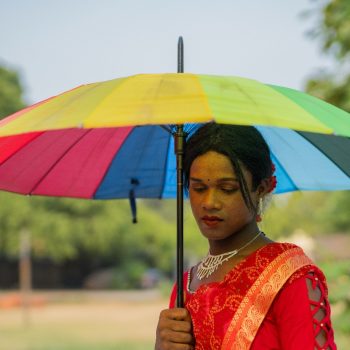
A Name of One’s Own: Empowering Trans People through Identity

© 2017 [blog-link], All Rights Reserved.